Strong Through Every Stage: What Pregnancy and Menopause Mean for Women’s Bones
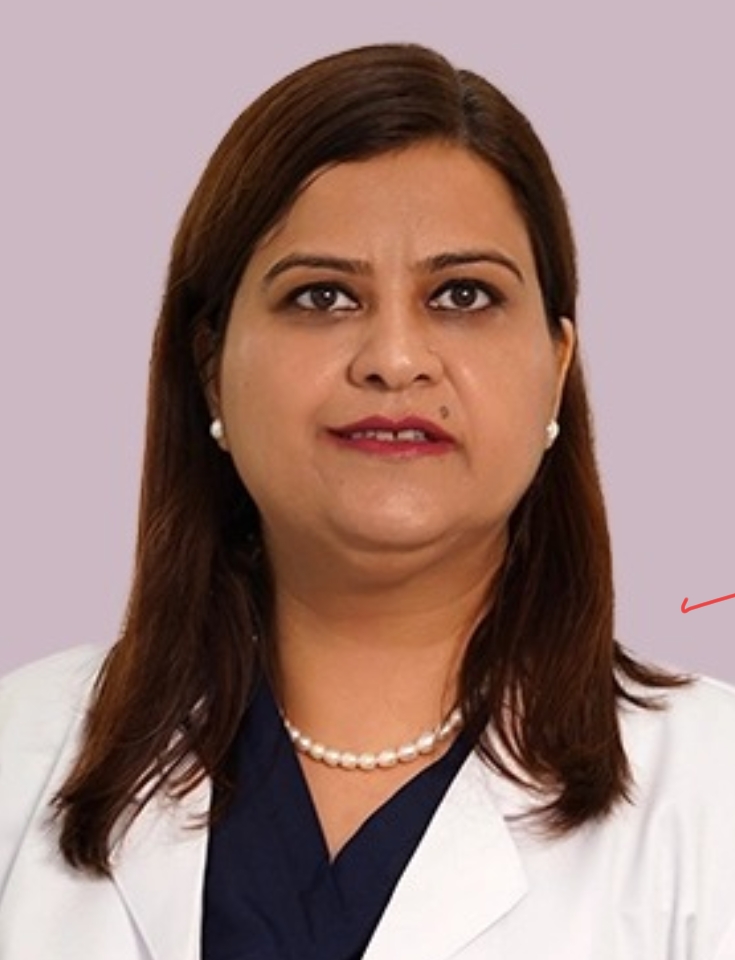
By – Dr. Shruti Kainth, Senior Consultant, Obstetrics & Gynaecology, Cocoon Hospital Chandigarh
Pregnancy, breastfeeding, and menopause each brings unique challenges for women, challenges that involve the strength of their bones. Carrying babies, lifting toddlers, office stair climbing, and remaining active during the middle years are all reliant upon one thing that isn’t talked about until it becomes an issue – bone strength.
Pregnancy Changes Are Usually Temporary
In the cases of pregnancy and lactation, the body adjusts to provide calcium for the growing fetus. There is bone loss that usually occurs during lactation and usually regains after weaning. This adjustment needs to be distinguished from the bone loss associated with menopause. Motherhood does not necessarily mean that one will suffer from brittle bones forever. Pain in the lower back and bone fracture due to little strain require attention. Otherwise, this type of osteoporosis caused by pregnancy can easily be taken as normal.
Menopause Calls for a Different Conversation
During the period surrounding menopause, decreased levels of estrogen can lead to bone mineral loss. As opposed to the temporary effects seen during the breastfeeding period, menopause can be an increased risk factor for osteoporosis. In osteoporosis, it is important to note that one may not have any signs and symptoms of the condition; it is possible to feel perfectly healthy while still suffering from weak bones.
The following is an example of a discussion during a menopausal consultation where other factors besides flushes and periods should be considered.
Build a Plate That Supports Strength
Bone health through food habits does not include buying costly powders and following strict diets. Regular food may consist of curd, milk or fortified milk, pulses, vegetables, and proteins. Calcium, Vitamin D, and proteins do play an important role; however, any supplements should take into consideration the needs.
Healthy food becomes important even after menopause, but it can never replace medication for osteoporosis, if needed.
Make Movement Part of the Routine
Walking is one good option, but strength training and balancing should not be left out too. Strength training will help keep your muscles in shape, while balancing will aid you in moving around. You can identify some exercises that would suit your health and level of fitness, particularly if you suffer from osteoporosis or have suffered fractures in the past.
Exercising will enable you to carry out your day-to-day activities so as to prevent loss of independence.
Keep the Mother on the Care List
Everything becomes concentrated on the baby after delivery. Middle age makes women feel the need to take care of themselves again after work and taking care of kids. Take time to take proper meals, exercise, and conduct check-ups.
Good bone health will ensure that every little thing of life becomes a part of your experience. This is something that must never become an issue later in life.
Leave a Reply